Recovery is possible!
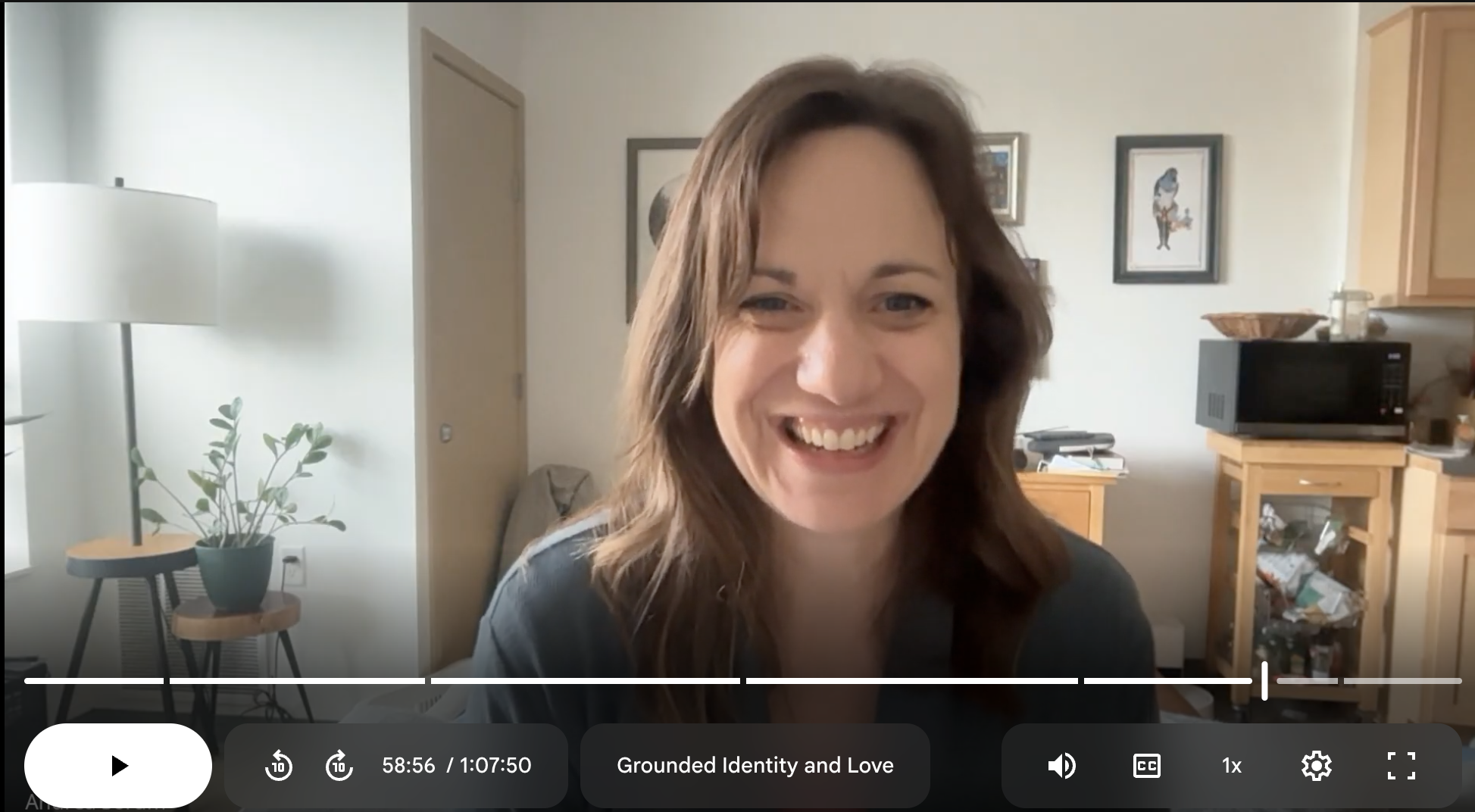
A brief summary of my ME/CFS recovery, including an explanation of baseline.
Hello and welcome
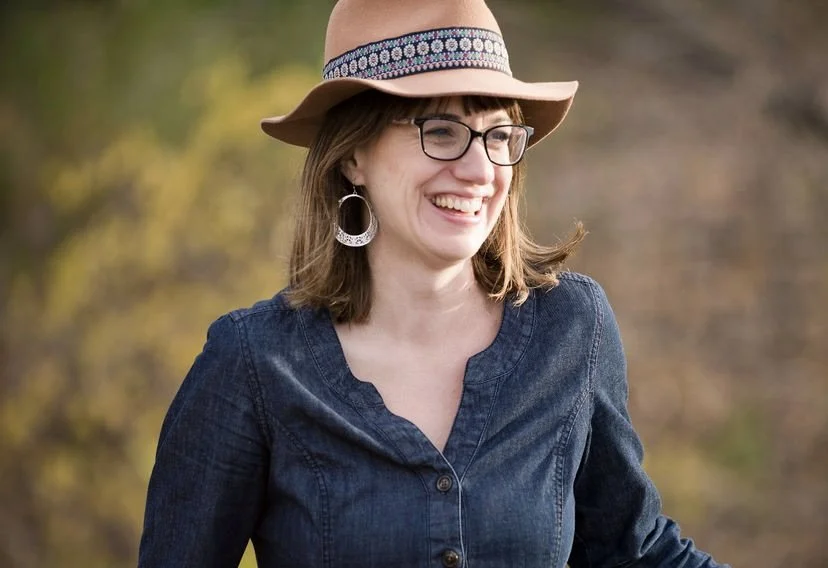
I am Andrea Sorum, an advanced coach practitioner with specialization in somatic techniques for nervous system regulation. It is my passion to help people recover from chronic fatigue, ME/CFS and Long Covid.
For 8 years, I experienced the suffering of moderate to severe ME/CFS as well as the loss and hardships it causes. I know how difficult it is to recover. I am a single mom and faced many challenges getting my health back. I could not have gotten to where I am now without individualized support from a coach and community that helped me believe it was possible and showed me how. (See my recovery process below.)
This is why I offer high-quality, individualized care. I want you to not only have the information you need, I want to help you put the information into practice so you start seeing results. I want to give you the most effective path to recovery possible. This process is not easy or formulaic. It is going to challenge you in all the best ways. But I believe with my whole heart that recovery is possible for you. I have the skills, knowledge and experience to help you through your recovery process as well. Book a free consult call with me to learn more or to get started.
The recovery process
Create stability and safety - end the push-crash cycle
Stretch and strengthen - safely grow our capacity for exertion
Nervous system regulation - express and heal emotional triggers
Time and trust - commit to long-term results
When our body’s perceived stress load becomes too much, our nervous system interprets the stress as a real threat to our life. The nervous system’s only job is to keep us alive, even if that comes at a high cost. In ME/CFS, the response to this perceived threat is to completely shut down the autonomic nervous system, which would normally regulate all the bodily functions we don’t consciously control.
I like to use the metaphor of stress as water boiling in a pot over a gas stove. When the water level is already high and then you dump in another bucket of boiling hot stress (a super virus, injury, trauma or life event), the pot overflows all over the stove and the water puts out the gas flame. In the human body this means the metaphorical stress pot has overflowed and put out the flame of several systems at once (vestibular, cardio, metabolic, immune, etc.) connected to the autonomic nervous system.
The good news is that, despite how awful it feels and how many various symptoms are flaring, there is nothing wrong with us. In fact, our nervous system is working extremely well to protect us. To get out of this survival shut-down state, we lower the stress in our stress pot (stabilize). When our stress load reduces, we are able to regulate with the everyday physical and emotional stress. We remind ourselves that normal activities are not dangerous and there is nothing to fear. Our capacity for more and more naturally increases as we create more and more evidence the threats are gone.
Gradually, we do start to feel safe and the nervous system regulates again. We develop self-compassion and acceptance. We build evidence that movement, cognitive exertion and socializing are safe. We get back to doing what we love while developing a new relationship with ourselves and the world. What starts as a life-crippling conditioning turns into a life-renewing recovery.
The Recovery Process
1
Safety & stability
There is a lot of inflammation, tension and activation in a body that is in a chronic, high-stress state. I felt both anxious (“wired”) and extremely tired. My body was no longer able to tolerate any kind of stress because even “good” stress was perceived to be a threat. At the root of it all was fear. I feared I would “crash” if I tried doing anything, but I was also afraid that if I didn’t try to do anything I would get even worse. I frantically scourged the internet for any kind of hope for treatment. I pushed myself to see a long list of providers, going through rinse-repeat process of feeling hope and despair. I felt a lack of security because I couldn’t work or do much for myself or my kids. Every time I spent money I felt scared, wondering how I could keep going like this living on cash assistance and family support. The overflowing stress-pot was constantly being replenished with more and more stress.
It was also an isolating experience. For many years I didn’t know anyone I could talk to that could help normalize my experience. My nervous system interpreted the isolation itself as a sign I was unsafe and I felt a need to over-explain and over-apologize to others. When I had a bit of energy, I urgently wanted to prove my self-sufficiency to myself and I would inevitably push myself too far. I wanted to be seen and I wanted to disappear at the same time.
Fortunately, I eventually did find what I needed to make a recovery. I found that there are many ways to address inflammation and help the nervous system relax. I benefited from doing lymphatic drainage massage and working with a doctor trained in the Perrin technique to drain out toxins from my brain and body. I also felt a lot of relief and lowered systemic inflammation by micro-dosing a GLP-1 (Zepbound) under the care of my primary care doctor.
In addition to these medical interventions, there were key changes I needed to make to reassure my nervous system I was safe and bring stability to my body. First, I had to end the push-crash pattern. I did this by staying within my baseline or, as I like to call it, my window of tolerance for physical, cognitive and emotional exertion. Finding my baseline meant I knew where my boundary was - what I could do without feeling worse - and I didn’t try to push myself past it while I stabilized. It was initially challenging to figure out where that threshold was, but once I had a daily and weekly routine for myself, I actually appreciated it. I no longer had to make stressful decisions about what I could or shouldn’t do. It was clear to me what I could say “yes” or “no” to, so it was easy to be clear with others as well.
I also stabilized my body with regular meals, snacks and hydration. I added energizing activities like yoga nidra to my routine. A nervous system loves rhythm and consistency. I built trust within myself that my needs for nourishment and rest were going to be met, and my nervous system received this consistency as welcome sign of safety.
The key to finding stability and safety was self-compassion. I thought about how I cared for my kids when they were babies - holding and soothing them day and night. I began to give myself the kind of care I would give my own baby - lots of soothing self-talk, warm drinks, soft blankets and a predictable routine. I allowed myself to slow down and take the pressure off of myself. The sense of urgency I felt to recover - to be able to work and get back to what I love and want to do - softened a bit. I called this new self-compassionate and non-hurried state my “healing mode,” and it was the foundation for everything else to come.
2
Stretch and strengthen
After a few weeks with a consistent baseline (no pushing or crashing), I was able to stretch myself a little bit. It was time to give my nervous system evidence that it was safe to do more. I learned that I could stretch my baseline by doing more brain-oriented activities (reading, working, etc.), which I’ll call cognitive activities, or by doing more physical activity or movement generally. I chose to focus on stretching myself physically because that was the easiest type of exertion for me to measure and track.
I started strength training with just two cans of beans and a small set of 2 repetitions lifting the beans. I gave myself a day or two to recover, then did it again. I maintained that level of activity for a couple of weeks, allowing my body time to adapt to the new exertion, before I added another repetition to the exercise. It went on like that - little by little. I kept the rest of my routine the same so I didn’t have a lot of other kinds of stress pile on at the same time as the bean routine. If I got a virus or something happened that destabilized me for awhile, I didn’t push myself to do the exercises. I let myself ease back into it when the virus or emotional trigger passed.
It started with just two cans of beans, but I gradually developed strength for 3 pound weights, then 5. I realized I was able to do more around the house as well. After a few months of body strengthening I lifted a mattress to put on a fitted sheet without much effort at all!
The progress I made was seemingly insignificant at first, but as the months went on I realized my baseline was growing exponentially. As I created more evidence it was safe to do more, my body naturally produced more and more ATP energy. And a rising tide raises all ships. While expanding my physical capacity, I also expanded my capacity for socializing, doing cognitive activities and handling emotional stress.
I started having “good days” without brain fog or fatigue. The “good days” were spaced out at first, and I still had some crashes. Eventually, though, the “good days” became the “normal days,” and the capacity continued to grow. I now have confidence I can fill my schedule without worrying about a crash.
3
Nervous System Regulation
In addition to stretching my baseline, I did a lot of work to help my nervous system regulate with stress and emotional triggers.
There were a lot of unhelpful beliefs and thought patterns that were “running the show,” as they say. I learned to be persistent in interrupting unhelpful beliefs and thought patterns. When I caught myself composing an imaginary email with all my grievances, for example, I would hum or sing “Stop in the name of love” to myself (and it would make me chuckle a bit, too, because it is a little ridiculous and fun to interrupt your thoughts with a song). Then I would soothe that hurt part of myself and remind myself of what I do want to focus on.
My brain is an escape artist, however. As much as I want to be present in my life and focus on the positive thoughts, my brain is either hyper-vigilant, determined to find more reasons to be anxious, or looking for an escape - preferably in the form of a dopamine hit from my phone. My brain needed boundaries and the reassurance it was safe to give up the chase for awhile.
I found that reassurance within a meditation community I could connect to over Zoom. The insight meditation practice groups and retreats gave my nervous system real reprieve from my over-zealous mind and, with time, slowed down my brain’s hyper-vigilance. With meditation practice, my nervous system defaulted to a more regulated state. It helped I was finally connecting with others, too, over Zoom. I even met a couple of friends who also had ME/CFS. I experienced co-regulation from the guiding teacher and practice group as I learned to be patient and give my nervous system space and time to regulate.
But I also carried some deep pain and trauma. For the more stuck emotional triggers that persisted in showing up all hours of the day and night (I called it my “greatest hits playlist”), I needed to go deeper. Releasing emotions through free expression became my “job” I went to in the morning. Free-writing, songwriting and singing were my go-to outlets. I wrote a whole collection of songs while in this process and filled several notebooks with pure raw emotion (most of which I threw away right away). Sometimes I could only sit and write for five minutes before I needed to lie down again, but I persisted and symptoms continued to fall away as I prioritized expressing myself uncensored.
But there were feelings like shame and self-doubt that kept popping up like the moles in an arcade whack-a-mole game, seemingly out of nowhere. Positive self-talk, therapy and emotional expression couldn’t really root it out. These were parts of myself - memories, beliefs and parts - that were not accessible to me through mental activity. I could only heal these parts of myself by working with my body.
Somatic coaching was, for me, a profound portal to access the unconscious mind. I was able to hold space for, learn from, and get to the root of the fears behind so much of my shame and anxiety. By gently acknowledging the fears, they organically loosened their grip on my nervous system. As I learned to regulate with fear, I became more resilient to stress. I noticed tension ease in my body after these sessions as well. My body was literally releasing fear.
I no longer experience as much inexplicable shame or anxiety. I feel more confident, more whole. I know myself better and trust myself implicitly. I defer to my here-and-now resourced self in times of distress. While I still occasionally feel shame and anxiety, I know it will pass. I know those are ancient imprints of fear still lodged in my body, and I know I am safe now.
I am now trained as a coach practitioner with a specialization in somatic techniques for releasing stuck emotional patterns in the body. It’s a powerful part of the work I do now to help others in their recovery.
4
Time & trust
All of this work is ongoing. I honor my baseline (even as it is closer to the “high functioning” range) so I don’t have to worry about crashing. I catch myself when I’ve spun into an unhelpful thought pattern and I remind myself what I want to focus on instead. I am also still doing this deep inner work to integrate all of myself and show myself compassion every day.
This is why I don’t say I am “recovered.” I say “I am in recovery,” because I want to live like this for the rest of my life. I want to stay clear on what I am and am not available for so I can do the things that are important to me with full presence and energy and not get overwhelmed with too many obligations. I want to live with intention and look ahead towards a vision rather than be controlled by fear. I want to love myself unconditionally so I can offer that same love to the world. I don’t want to go back to pre-ME/CFS Andrea because this transformation has been more valuable than anything else I could have done over the past few years.
It’s my honor to work as a guide and coach others who are going through this process in their own way. I know this process well having gone through it myself and walked alongside so many who are on the same path.
As you can see if you’ve read my story so far, this process isn’t a step-by-step linear process. It’s cyclical, and will be different for every person. I found what worked for me and my nervous system - it might be different for you. It takes time and it takes commitment to figure out what your body needs to recover. We stabilize, stretch ourselves, and regulate our nervous system over and over again.
Pushing ourselves to recover quickly has the opposite effect we would like it to. If we have a fixed idea of how long it “should” take or we are fixated on doing it “right” so we don’t “waste time,” we will still be operating from a place of urgency, which is felt as fear in the body. The nervous system can’t be fooled. It takes time, trust, and a willingness to wade in the messiness to see lasting benefit. The more compassion we show ourselves, the more the nervous system relaxes and the faster we recover.
Believe me if I had a magic wand I would be waving it all day to help everyone I know who is suffering. I don’t have a magic wand, but I do know this process works and it requires a strong commitment of time and trust.
This is why I offer high quality, individualized support for ME/CFS recovery over a minimum of six months.
In 2 years I went from being house-bound and unable to talk for more than 15 minutes to now being able to exercise, work and care for my kids. I also consider myself lucky. I had the right kind of support at the right time. I would not have gotten as far as I have without the kind of personal support and accountability I now provide for others.
Everything I do is personalized to you and what works best for you. If you are curious about how I can help you with your ME/CFS recovery or are ready to get started please book a free consult call with me!
My promise to you
Integrity
I value honesty, equality and collaboration. I am a co-creator with you and will honor your values, intuition and needs as a coach should. I am not a medical professional or licensed mental health professional and will let you know if anything is outside the scope of my training.
I celebrate the diversity of gender expressions, sexual orientations, abilities, brains, cultures, ethnicities, heritages, skin pigments, religions, spiritual practices and all forms of expression that inform our humanity.
Compassion
The investment of your time, your resources, your intention and your willingness to be seen, heard and loved is something I feel honored to hold and nurture. My training is trauma-informed and sensitive to all the ways human beings suffer. I am committed to creating safe containers that are healing and nurturing.
The only way forward, truly, is through compassion and love.
Value
It takes a lot of courage to do this work, and it takes a commitment. My promise to you is to offer individualized, high-quality coaching that integrates all levels of knowing - somatic, cognitive, spiritual and emotional - so you not only have the information and tools you need to heal, you also can embody and default to the new habits you choose for yourself.
There are no other coaching programs that I know of that offer this much individual coaching support and 24/7 chat and voice support. Please let me know if your financial situation is a barrier to care as there are a limited amount of sliding scale packages available.